
Strava is a sports data analysis software designed for athletes and fitness enthusiasts. It is based on global positioning system (GPS) technology and can track and analyze users' running, cycling and other sports activities. Strava transforms the user's mobile phone or GPS device into a precise sports calculation tool, providing detailed activity data to help users gain a deeper understanding of their sports performance.

How to use Strava?
Download and install: Users can search for "Strava" in mobile app stores (such as App Store or Google Play) and download and install it.
Register and log in: After the installation is complete, users need to register a Strava account and log in. The registration process is simple and fast, and you can choose to register using an email or social media account.
Start an activity: Before you start your sports activity, open the Strava app and select the corresponding activity type (such as running, cycling, etc.). Then, click the "Start" button and Strava will start tracking your sports data.
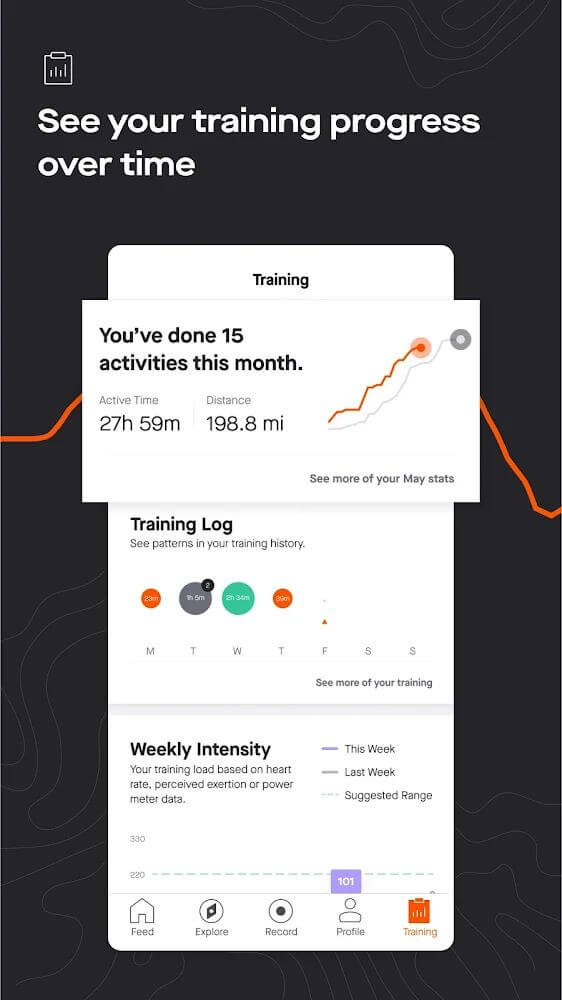
View and analyze data: After the exercise, Strava will automatically save the activity data and generate a detailed report. Users can view their exercise trajectory, speed, distance, altitude change and other detailed information in the app, and can gain a deeper understanding of their sports performance through charts and data analysis tools.
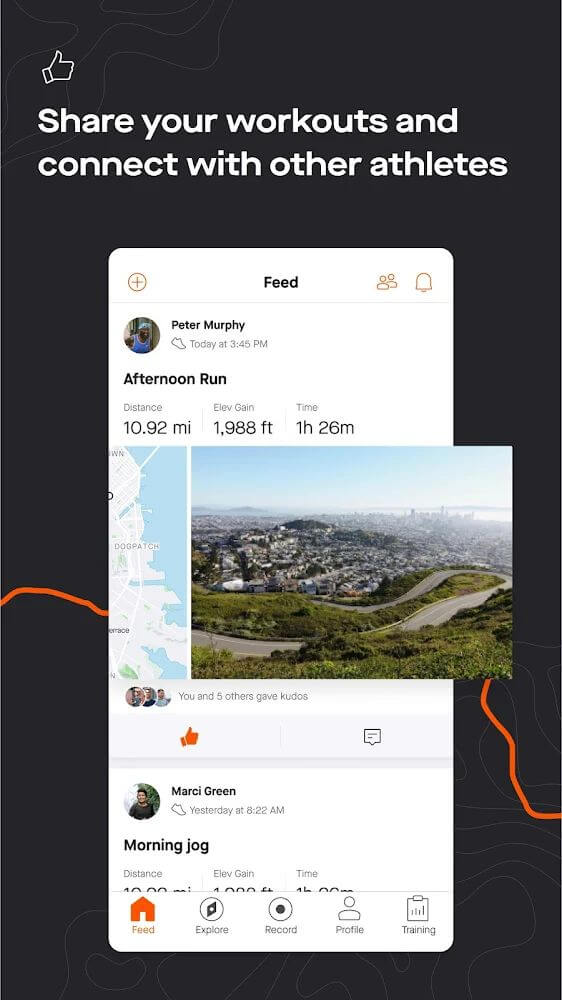
Social sharing: Strava also has social functions. Users can share their sports activities on social media and share their sports results with friends and family. In addition, users can join or create their own sports groups to participate in challenges and competitions with like-minded people.
Is Strava free?
Strava provides free use of basic functions. Users can enjoy basic sports tracking, data analysis and social sharing functions without paying. However, Strava also provides some advanced features and services, such as Beacon real-time location sharing, advanced data analysis tools, etc. These features may require users to pay for subscriptions to use. The specific charging standards and subscription methods can be viewed in the Strava application.
Strava core functions:
GPS tracking: Strava uses GPS technology to accurately track users' sports trajectories and distances.
Data analysis: Provides detailed sports data analysis functions, including speed, altitude changes, heart rate and other data.
Social sharing: Users can share their sports results on social media and interact with friends.
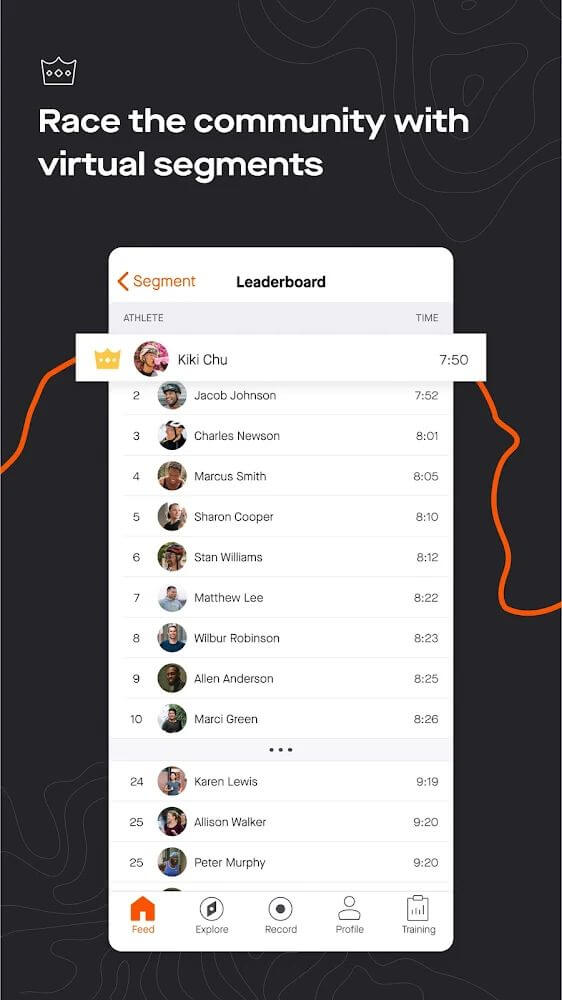
Group challenges: Join or create your own sports groups and participate in various challenges and competitions.
Custom goals: Users can set sports goals and plans according to their needs, and Strava will provide corresponding suggestions and reminders.
Compatibility and integration: Strava is compatible with many popular sports devices and applications, and data can be easily synchronized and shared.
Beacon real-time location sharing (paid feature): allows users to share their real-time location with designated contacts or groups to increase sports safety.