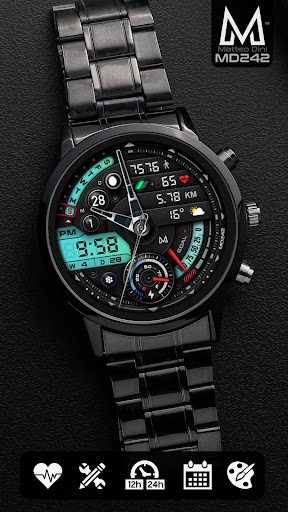
MD242 software may be the control, monitoring, data processing or user interface software of the device or system. Such software is usually used to support the normal operation of the device, data collection, analysis and user interaction. However, since the specific information of MD242 is unknown, the introduction here is based on the general characteristics of general medical device software.

How to use MD242?
Install the software: If the MD242 software needs to be installed separately, you need to download and install it on the appropriate computer or mobile device first.
Connect the device: Connect the MD242 software to the corresponding device through the appropriate interface (such as USB, network interface, etc.).
Configure settings: Configure various settings of the software according to the requirements of the device and the needs of the user, such as parameter settings, user permissions, etc.
Operation and control: Operate and control the connected device through the user interface of the software, such as starting, stopping, adjusting parameters, etc.
Data processing and analysis: Collect the data generated by the device, and process, analyze and display it for users to make decisions or further research.
Is MD242 free?
Regarding whether the MD242 software is free, it depends on the business model of the software and the policy of the manufacturer. Some medical device software may be provided with the device as part of the device without additional charge. However, some software may need to be purchased separately or subscribed to use. Therefore, it is impossible to directly answer the question of whether the MD242 software is free. You need to check the purchase agreement of the software or consult the manufacturer.
MD242 core functions:
The core functions of the MD242 software will depend on its design purpose and the device it is connected to. But in general, medical device software may include the following core functions:
Device control: Provide remote control functions for connected devices, such as starting, stopping, adjusting parameters, etc.
Data monitoring: Real-time or periodic collection of data generated by the device, such as images, signals, measurement results, etc.
Data processing and analysis: Process, analyze and display the collected data so that users can make decisions or further research.
User interaction: Provide an intuitive user interface that enables users to easily operate the software, view data and adjust settings.
Security and compliance: Ensure that the software meets relevant safety standards and regulatory requirements to protect user data security and privacy.